
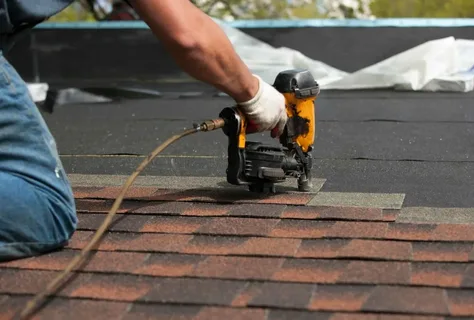
Your roof is one of the most important components of your home, providing protection from the elements and ensuring that your living space remains dry, comfortable, and secure. Whether you’re building a new home or replacing an old roof, quality roofing installation is essential for safeguarding your property and investing in long-term durability. A professionally installed roof can not only protect your home but also improve its curb appeal and value.
In this article, we’ll explore the benefits of quality roofing installation, the different types of roofing materials available, and how to ensure you choose the right service provider to meet your needs.
Why Quality Roofing Installation Matters
A well-installed roof is crucial for maintaining the integrity of your home. Here’s why quality roofing installation should be a priority for any homeowner:
- Protection from the Elements: The roof is your first line of defense against harsh weather conditions. Whether it’s heavy rain, wind, snow, or intense sunlight, a durable roof helps protect your home from water damage, leaks, and structural issues. Poor roofing installation can lead to gaps, leaks, and weakened structural support, making your home vulnerable to the elements.
- Enhanced Energy Efficiency: An expertly installed roof plays a significant role in your home’s energy efficiency. Proper insulation and ventilation can keep your home cooler in the summer and warmer in the winter, reducing your heating and cooling costs. Additionally, a well-installed roof ensures that your HVAC system doesn’t have to work harder to maintain a comfortable temperature inside.
- Long-Term Durability: Roofing materials, when installed correctly, can last for decades. Quality installation helps ensure that your roof remains functional for its expected lifespan. On the other hand, poorly installed roofs may deteriorate quickly, leading to frequent repairs or a premature need for replacement.
- Increased Property Value: A well-installed, high-quality roof enhances your home’s overall value and curb appeal. Whether you’re planning to sell your home or just want to improve its appearance, a new roof can make a significant difference. Potential buyers will appreciate the added peace of mind knowing that the roof is reliable and will protect the home for many years.
- Prevention of Costly Repairs: When roofing installation is done right the first time, you avoid the hassle and expense of dealing with leaks, damage, and repairs down the line. Investing in quality roofing installation saves you money in the long run by preventing costly fixes that might arise from poor craftsmanship.
Types of Roofing Materials
When it comes to roofing installation, there are a variety of materials available, each with its own benefits. Your choice will depend on your budget, climate, aesthetic preferences, and long-term needs. Here are some of the most popular roofing materials:
- Asphalt Shingles: Asphalt shingles are one of the most common and affordable roofing materials. They are durable, easy to install, and come in a variety of colors and styles. Asphalt shingles can last anywhere from 20 to 30 years with proper maintenance.
- Metal Roofing: Metal roofs are highly durable, long-lasting, and energy-efficient. Available in various styles such as standing seam, corrugated panels, or metal tiles, metal roofs are resistant to extreme weather conditions and can last 50 years or more. They are also eco-friendly, as they can often be made from recycled materials.
- Clay and Concrete Tiles: Clay and concrete tiles are often used in Mediterranean, Spanish, or Southwestern-style homes. These materials are long-lasting, fire-resistant, and provide excellent insulation. However, they can be heavy, requiring additional structural support, and are more expensive than other roofing options.
- Wood Shingles and Shakes: Wood roofing provides a natural and rustic aesthetic, and it is a popular choice for homes in wooded or rural areas. Cedar and redwood are common materials for wood shingles and shakes. While wood roofing can last 30 years or more with proper maintenance, it may require more upkeep compared to other materials to prevent mold, rot, or pests.
- Slate Roofing: Slate is one of the most durable and long-lasting roofing materials available. It is fire-resistant, energy-efficient, and has a distinctive, elegant appearance. However, slate roofs are expensive and require a professional installation due to their weight and complexity.
- Synthetic Roofing: Synthetic roofing materials, such as rubber or polymer, are designed to mimic the appearance of more expensive options like slate, wood, or tile. These materials are lightweight, durable, and low-maintenance, making them a cost-effective alternative.
Choosing the Right Roofing Installation Company
Choosing a reliable and experienced roofing contractor is crucial to ensuring that your roof is installed properly and lasts for many years. Here’s how you can find the right professional for the job:
- Check Credentials and Experience: Look for a contractor who is licensed, insured, and has a solid track record of successful installations. Experienced roofing companies have the knowledge to handle different types of roofs and can provide valuable guidance on material choices, designs, and installation methods.
- Read Reviews and Get References: Research the roofing company’s reputation by reading online reviews and asking for references from previous clients. A reputable company will have a history of happy customers who can vouch for their work quality and professionalism.
- Request Detailed Estimates: Get written estimates from multiple contractors to compare pricing, materials, and services. Be wary of any quotes that seem unusually low or too good to be true. A quality roof installation is an investment, and while you don’t want to overpay, choosing the cheapest option may result in poor craftsmanship and future repairs.
- Evaluate Warranties and Guarantees: A reputable roofing contractor will offer warranties or guarantees on both the materials and labor. Be sure to ask about the terms and conditions of any warranty, and ensure you understand the coverage in case of future issues.
- Communication and Professionalism: Throughout the process, ensure the contractor communicates clearly and professionally. They should be responsive to your questions, keep you informed about the timeline, and address any concerns promptly.
The Roofing Installation Process
The roofing installation process involves several key steps to ensure that your roof is installed correctly and provides lasting protection. Here’s an overview of what you can expect:
- Initial Inspection: The roofing contractor will start by inspecting your current roof (if applicable) and assessing the condition of your home’s structure. This helps them determine the best materials and installation methods.
- Removal of Old Roof (if necessary): If you’re replacing an old roof, the existing shingles or materials will be removed before the new roof is installed. This step is essential for ensuring that the new roof is installed on a clean, stable surface.
- Roof Decking and Underlayment: The contractor will then check the decking (the surface that supports the roof) and make any necessary repairs. An underlayment is then applied as an additional layer of protection against water infiltration.
- Roof Installation: The roofing materials will be carefully installed, starting with the lower layers and working upward. The contractor will ensure that each layer is properly sealed to prevent leaks and ensure proper drainage.
- Final Inspection and Cleanup: Once the roof is installed, the contractor will conduct a final inspection to ensure that everything is in place and meets quality standards. They will also clean up any debris, leaving your home spotless.
Conclusion
Investing in quality roofing installation is an essential step in protecting your home from the elements, enhancing its curb appeal, and ensuring that it remains safe and dry for years to come. Whether you’re installing a new roof or replacing an old one, working with a reputable roofing contractor and choosing the right materials will ensure that you get the best results.