
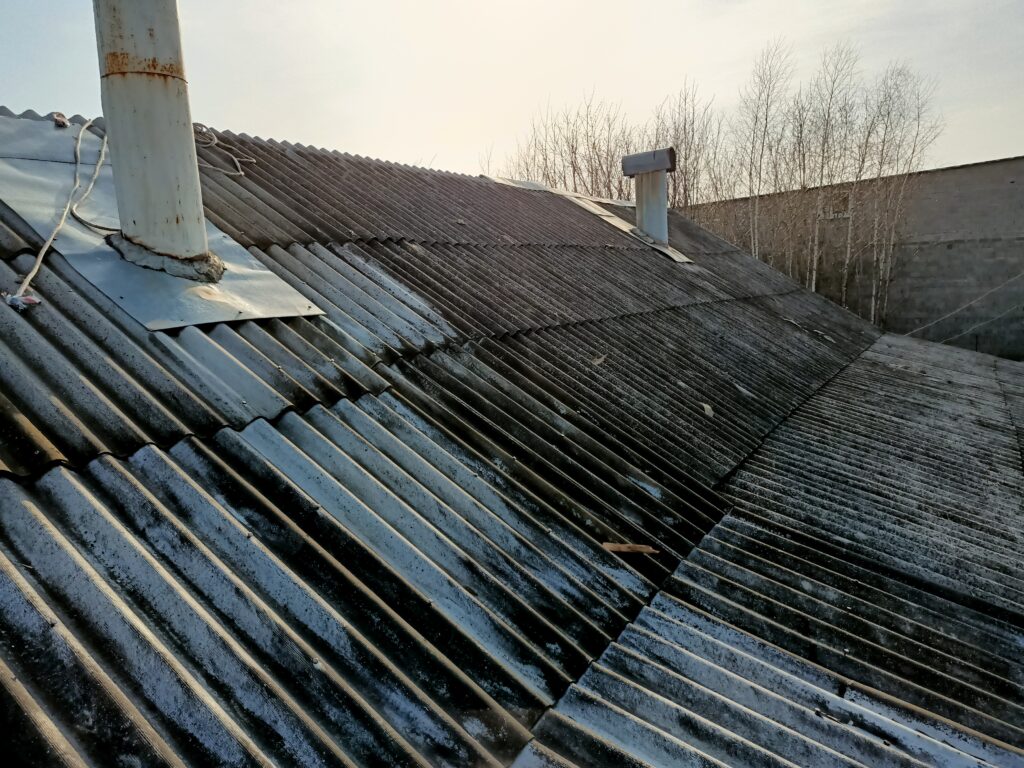
Roof damage from hailstorms can be severe and not very obvious. Even small hailstones can damage roofing materials, resulting in leaks and long-term structural damage. After a storm, homeowners frequently contact Econocrafters Remodeling and Roofing to confirm that their roof is still properly safeguarding their house. After a hailstorm, being aware of what to look for might help you identify issues early and prevent later, expensive repairs.
This guide gives you a concise checklist to help you identify what needs attention and explain why inspection is important.
Why Hail Damage Roof Inspection Is Necessary:
Hail damage doesn’t always result in immediate leaks. Instead, it slowly erodes flashing, shingles, and other protective layers, which eventually allows water to seep in; even minor roof damage, which seems insignificant, can shorten the lifespan of your roof. A timely roof inspection helps identify hidden damage before it turns into major roof repair. The inspection procedure is a crucial step following any major hailstorm since it offers evidence that can be required for insurance claims.
Common Types of Hail Damage:
Depending on the size of the hailstones and the kind of roofing material, hail can cause various types of roof damage. Cracks, granule loss, or bruises can be seen on asphalt shingles. Flat roofs may experience punctures or weak seams, while metal roofs may dent or release fasteners. It is also risky to flash near skylights, vents, and chimneys. If damage in these places is not quickly repaired, leaks frequently result. Inspections are more successful when these typical issue areas are understood.
The 24-Hour Rule: When To Inspect
After a storm, it may be tempting to get on your roof right away, but your safety should always come first. Wait for the absence of ice, standing water, and high winds. Your inspection should ideally be completed between 24 and 48 hours following the storm, while the evidence is still fresh.
However, if your roof is steep or you’re concerned about heights, immediately call a professional and avoid the do-it-yourself check.
Hail Damage Roof Inspection Checklist:
To learn what inspectors look for and what to watch out for following a hailstorm, use the checklist below:
- Soft patches or shingle bruises that point to subsurface impact damage
- Missing or broken shingles as a result of hail damage
- Granule loss, frequently seen in drains or gutters
- Cracks or dents in metal parts, such as flashing and vents
- Damage near roof penetrations, like skylights and chimneys
- Drainage may be affected by clogged or damaged gutters and downspouts.
- Water leaks or stains within the house, particularly on the attic or ceilings
To accurately determine the amount of the damage, numerous signals need to be examined closely, even though some may be obvious from the ground.
Interior Signs of Hail-Related Roof Damage:
Damage to the roof does not necessarily appear on the outside right away. A musty smell, wet insulation in the attic, or water stains on the walls or ceilings inside the house can all be signs of moisture penetration brought on by hail damage. Leaks might be found early by inspecting the attic after a storm. In order to stop mold growth and structural damage, any indication of moisture should be dealt with immediately.
Why Professional Inspection Matters:
It can be risky to climb onto a roof, particularly after a storm. Professional inspectors have the knowledge and tools necessary to evaluate hail damage in a safe and precise manner. They are skilled at spotting minute problems that homeowners could miss. A thorough report on roof conditions is another benefit of a professional inspection, and this is particularly useful when handling insurance claims. All damage is guaranteed to be appropriately addressed with accurate documentation.
Preventing Future Hail Damage:
Hail cannot be avoided, but its effects can be minimized with regular roof repair. Maintaining healthy shingles, making sure flashing is secure, and taking care of minor problems early on all contribute to your roof’s increased ability to endure storms. In regions where hail is common, upgrading to impact-resistant roofing materials may also offer more protection.
Conclusion:
Although hail damage can be costly to neglect, it might be easy to miss. Following a hailstorm, a thorough roof inspection helps safeguard your house, stop leaks, and guarantee prompt repairs. It is simpler to determine what requires attention and when to take action when a clear inspection checklist is used. If there was a recent hailstorm at your house, Econocrafters Remodeling and Roofing is prepared to assist. Make an appointment for a professional hail damage roof check with us right now to make sure your roof is confidently protecting your house.
FAQs:
Is it possible for hail to harm a roof without creating leaks?
Indeed. If damage is not fixed, hail can erode roofing materials, resulting in leaks months later.
Should I check my roof following each hailstorm?
It is advised to follow any big hailstorm, particularly if there are large hailstones or high winds.
Can I do my own roof inspection?
A professional examination is safer and more comprehensive, although you can search for obvious symptoms from the ground.
Is it always necessary to replace a roof damaged by hail?
Not all the time. If detected early, focused roof repair is often all that is needed.
Will hail damage be covered by insurance?
Hail damage is typically covered by insurance, although thorough investigation and documentation are necessary.