Concrete surfaces, whether in driveways, patios, or foundations, are durable and long-lasting. However, over time, they can develop cracks due to various factors such as weather changes, age, or stress. When these cracks appear, the question arises: should you repair small cracks, or is it better to replace the entire concrete surface? In this article, we’ll explore the factors that influence this decision and help you determine whether repairing or replacing concrete is the right choice for your situation.
Understanding Concrete Cracks
Concrete cracks can vary in size, shape, and severity. Small cracks may only affect the surface, while larger or deeper cracks could compromise the structural integrity of the concrete. The causes of cracks can include:
- Temperature fluctuations: Concrete expands and contracts with temperature changes, leading to cracks.
- Water damage: Moisture can seep into concrete and cause it to weaken over time.
- Heavy loads or stress: Vehicles, heavy equipment, or other loads can put pressure on concrete surfaces, causing cracks.
- Poor installation or curing: If concrete is not mixed or poured properly, it may crack prematurely.
Types of Concrete Cracks
- Hairline Cracks: These are very thin cracks that may not pose any immediate risk. They typically occur due to normal wear and tear or shrinkage during curing.
- Cracks Due to Settling: Cracks caused by the settling of the ground underneath the concrete slab. These cracks can grow larger over time if not addressed.
- Structural Cracks: Larger cracks that can affect the stability and integrity of the concrete. These cracks often require professional assessment and may necessitate full replacement.
- Shrinkage Cracks: These occur as the concrete dries and shrinks. While not typically serious, they can expand if not sealed.
Repairing Small Concrete Cracks
In most cases, small concrete cracks are repairable. Depending on the type and size of the crack, you can use different methods to fill and seal it. Here’s how you can handle small cracks:
1. Cleaning the Area:
Before repairing a crack, you’ll need to clean the area thoroughly. Use a wire brush or pressure washer to remove dirt, debris, or any loose concrete fragments from the crack.
2. Choosing a Repair Material:
Several materials can be used to repair concrete cracks, including:
- Concrete crack filler: A ready-to-use filler that you can apply directly to small cracks.
- Epoxy resin: A more durable solution for deeper or wider cracks.
- Polyurethane foam: Expands to fill cracks and creates a waterproof seal.
3. Applying the Repair Material:
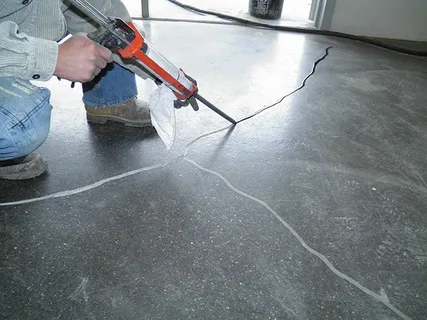
After cleaning the crack, apply the chosen repair material. Use a putty knife or caulking gun for an even application. For larger cracks, you may need to apply multiple layers of the filler and smooth each layer as you go.
4. Sealing the Crack:
Once the crack is filled, seal it with a concrete sealant. This helps to prevent water from entering the crack and further damaging the concrete.
5. Curing Time:
Allow the repaired area to cure fully. This can take anywhere from a few hours to a couple of days, depending on the material used.
When to Consider Concrete Replacement
While small cracks can usually be repaired, there are situations where concrete replacement might be a better option. Here are some signs that indicate it might be time to replace your concrete surface:
1. Extensive Cracking:
If there are numerous large cracks or if the cracks are deep and affect the structural integrity of the concrete, repair may not be sufficient. In such cases, replacing the surface may be more cost-effective in the long run.
2. Cracks Affecting Foundation:
For concrete foundations, even small cracks can lead to serious issues, such as water infiltration or structural instability. If cracks in your foundation are affecting the stability of the structure, replacement might be necessary.
3. Uneven or Settling Concrete:
If the concrete surface is uneven or has begun to settle, it can cause significant issues with drainage and usability. In such cases, you may need to replace the entire surface to restore it to a level and functional state.
4. Severe Damage from Moisture or Chemicals:
Concrete exposed to constant moisture or harsh chemicals may weaken over time. If the surface has deteriorated significantly due to such exposure, replacing it may be the best option.
5. Aesthetics:
If your concrete surface is discolored, stained, or has become worn out, replacement might be the most effective solution to improve the overall look of your property.
Cost Comparison: Repair vs. Replacement
Repairing Small Cracks:
- Cost: Typically, repairing small cracks is much less expensive than replacing the entire surface. Materials like crack fillers or sealants are affordable, and the labor involved is minimal if you choose a DIY approach.
- Time: Repairing small cracks can usually be done within a day or two, depending on the size and depth of the crack.
- Longevity: Repairs are a temporary solution, and the crack may return if not properly sealed or if the underlying cause of the crack isn’t addressed.
Replacing Concrete:
- Cost: Replacing the entire surface can be significantly more expensive. This includes the cost of removing the old concrete, preparing the site, and installing new concrete.
- Time: The process of removing and replacing concrete can take several days, depending on the size of the surface.
- Longevity: A new concrete surface will last longer than a patched-up one and will not require constant repairs.
Conclusion
Whether you choose to repair small concrete cracks or replace the surface depends on the severity of the damage, your budget, and your long-term goals. Minor cracks are typically repairable and can be fixed at a lower cost. However, if the cracks are widespread or affect the foundation, replacing the concrete may be the best decision to avoid further damage and ensure a lasting solution. Always assess the situation carefully and consult a professional if needed to determine the best course of action for your concrete surfaces.
FAQs
1. Can I repair hairline cracks in concrete myself?
Yes, hairline cracks are relatively easy to repair. You can use a concrete crack filler or sealant to fill in the cracks and prevent further damage.
2. How long do concrete crack repairs last?
The longevity of a repair depends on the materials used and the severity of the crack. Minor repairs can last for several years, but more serious cracks may require more frequent maintenance.
3. What happens if I ignore small concrete cracks?
If left untreated, small cracks can expand and worsen over time, leading to more severe damage and expensive repairs or replacement.
4. Can concrete cracks be permanently fixed?
While repairs can prevent further damage, concrete may continue to expand and contract, meaning cracks may eventually return. However, with proper sealing and maintenance, repairs can last a long time.
5. How can I prevent future cracks in concrete?
To prevent future cracks, ensure proper installation and curing of the concrete. Regular maintenance, including sealing the surface, can also help protect it from damage.
6. When should I replace my concrete surface instead of repairing it?
If the cracks are extensive, affect the structural integrity, or are caused by serious underlying issues like settling, replacing the surface may be the best option.